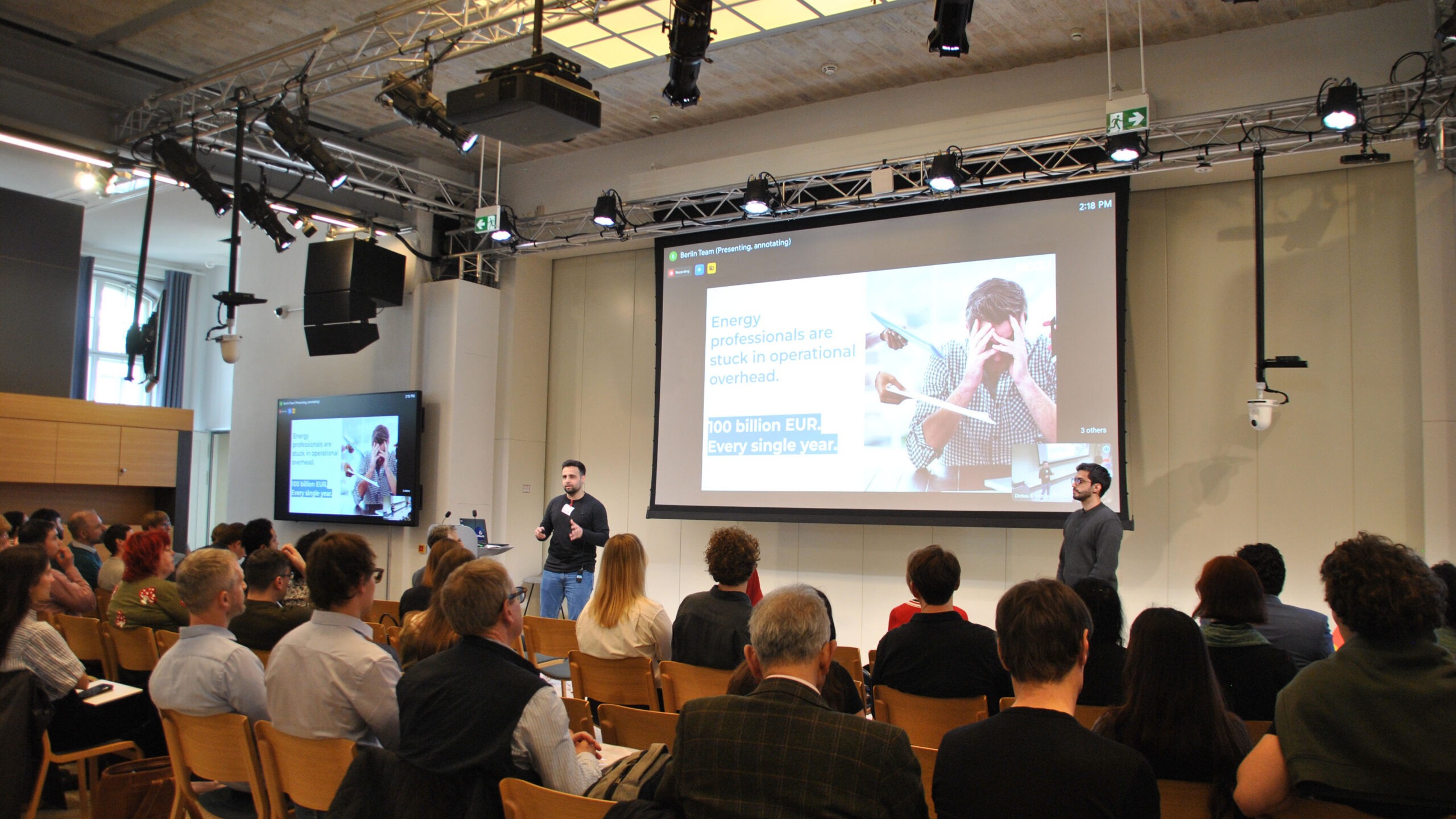
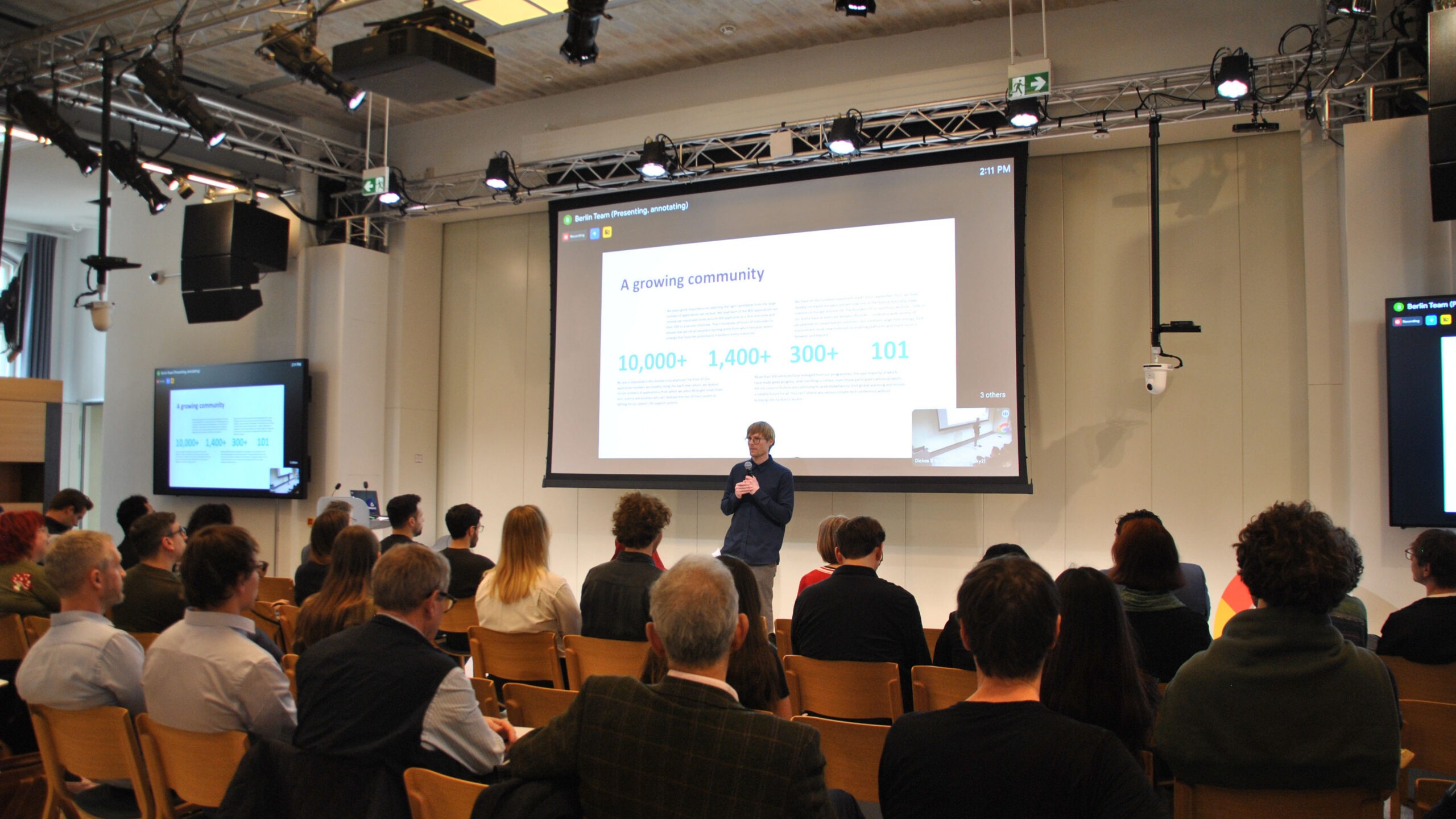
Last Thursday, we brought together Berlin Cohort 4 and Cambridge Cohort 8 at Google’s Berlin headquarters — nine teams, two cohorts, one shared mission: building ventures that move the needle on net zero.
What makes today’s pitches special is the community behind them. Our portfolio shows what’s possible when climate ambition meets real execution. Our alumni share hard-won experience with generosity and honesty. Our domain experts help founders navigate complex science and markets with confidence. Our entrepreneurs in awalk alongside teams through every challenge and breakthrough. And our impact experts make sure the climate case at the heart of each venture is as strong as it can be.
Nine ventures. Nine problems that matter. Let’s hear from them.
Mogli — Darius & Alican
The energy transition is being slowed not just by technology gaps, but by paperwork. Renewable energy developers and EPCs spend enormous amounts of time on document generation, stakeholder management, and navigating scattered data systems — time that could be spent building. Mogli is an AI-powered B2B SaaS platform that automates this operational overhead, freeing the people driving the energy transition to focus on what actually matters. Their prototype has already demonstrated 99% time savings on selected document generation processes, and they’ve closed multiple LOIs and pilot projects with leading companies in the DACH region — backed by Germany’s top AI grant and investment from Carbon13.
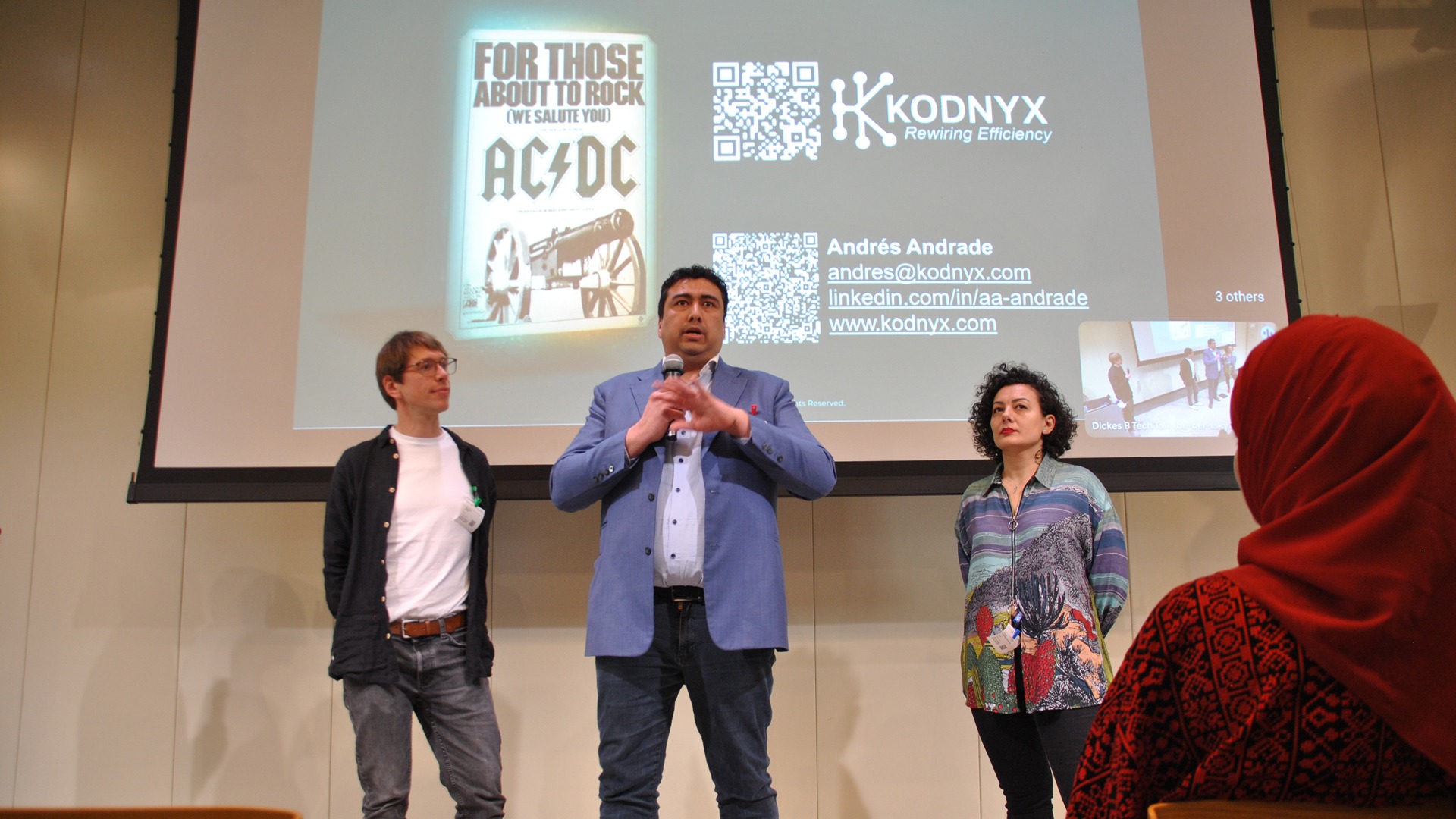
Kodnyx — Kristoffer, Andres & Duygu
Most people think of energy efficiency in terms of insulation, heating, or appliances. Kodnyx is unlocking an entirely different lever: the electrical architecture hidden behind the meter. As the world electrifies, the way electricity flows through a building or facility — AC vs DC, system configuration, load optimisation — has a profound impact on energy use. The problem is that this expertise has been locked inside research institutions, out of reach for industry. Kodnyx turns it into software, delivering up to 35% energy savings at scale. They’ve already secured a first industrial pilot with Hartig GmbH and joined the Climate Adaptation Accelerator at Impact Hub Berlin.
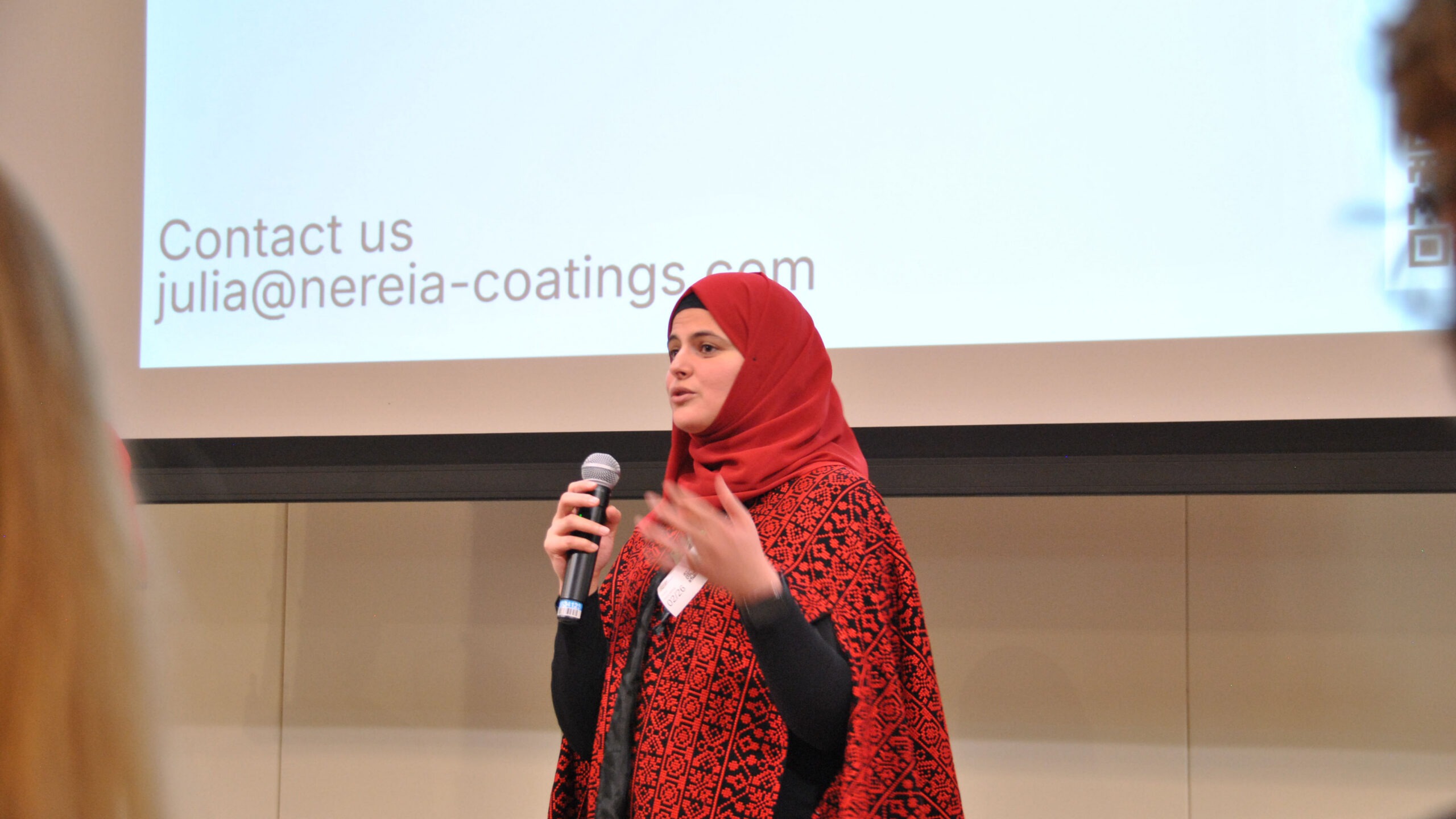
Nereia Coatings — Rimah & Julia
Biofouling — the accumulation of marine organisms on ship hulls — has plagued shipping for millennia. It increases drag, drives up fuel consumption by as much as 55%, and is the primary vector for spreading invasive aquatic species. Current solutions are either toxic to marine life or too expensive for mass adoption. Nereia is developing a non-toxic antifouling technology using functional surfaces, with the potential to save the shipping industry up to $30bn in fuel costs and 200 Mt of CO₂ annually. In just six months, they’ve assembled an advisory board with over 60 years of combined antifouling experience, set up a lab in Munich, and secured a letter of intent from a major international shipping company.
SoilNext — Akhila & Ekaterina
Two billion hectares of global soils are degraded. Stripped of their biological function, these lands have flipped from carbon sinks to net emitters, leaking 4.8 Gt of CO₂e per year. The transition to regenerative practice is stalling because farmers lack fast, affordable, actionable soil biology data — current testing is expensive, slow, and hard to interpret. SoilNext has built an AI-diagnostic platform that delivers biological soil profiles in under 48 hours at 50% lower cost, paired with a marketplace that turns insight into verifiable action. Ultimately, they’re on a mission to transform soil from a dying asset back into what it was always meant to be: the living foundation of a stable climate and a productive planet.
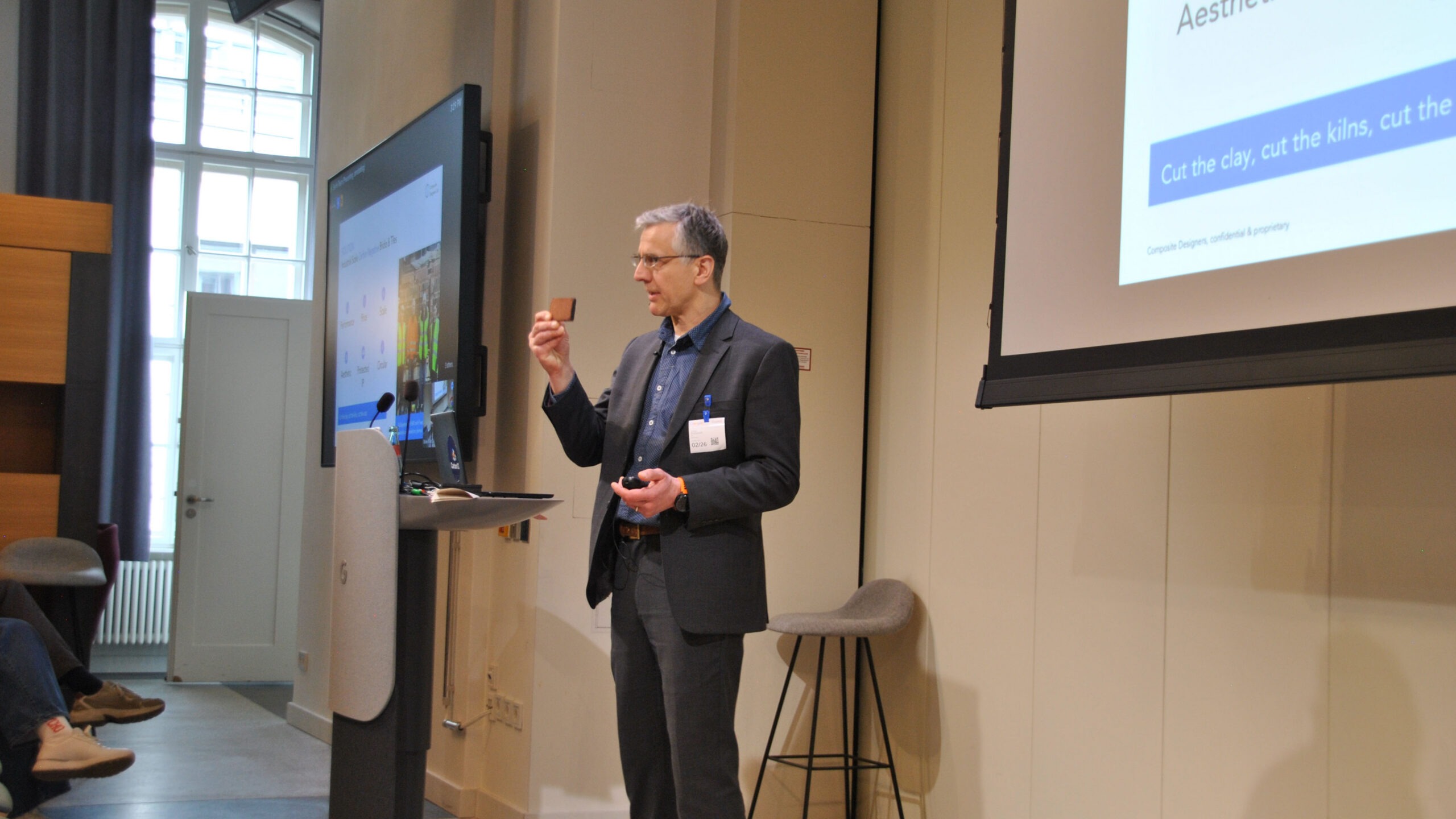
Composite Designers — Frank & Paul
Construction is responsible for nearly 40% of global emissions, yet the industry remains stuck with carbon-heavy materials like cement, steel, and brick. Sustainable alternatives exist but can’t scale to meet demand — so they stay niche. Composite Designers have combined aerospace composite technology with foundry techniques to create carbon-negative bricks and tiles that are cost-competitive, meet industry performance standards, and slot into existing manufacturing and installation methods. That last part is what makes them scalable. They’ve received two Innovate UK grants, pre-seed investment from Carbon13, and secured LOIs from one of the UK’s top construction firms and two architects — with their own manufacturing facility coming online in April 2026.
TeraSort — Johnny & Phil
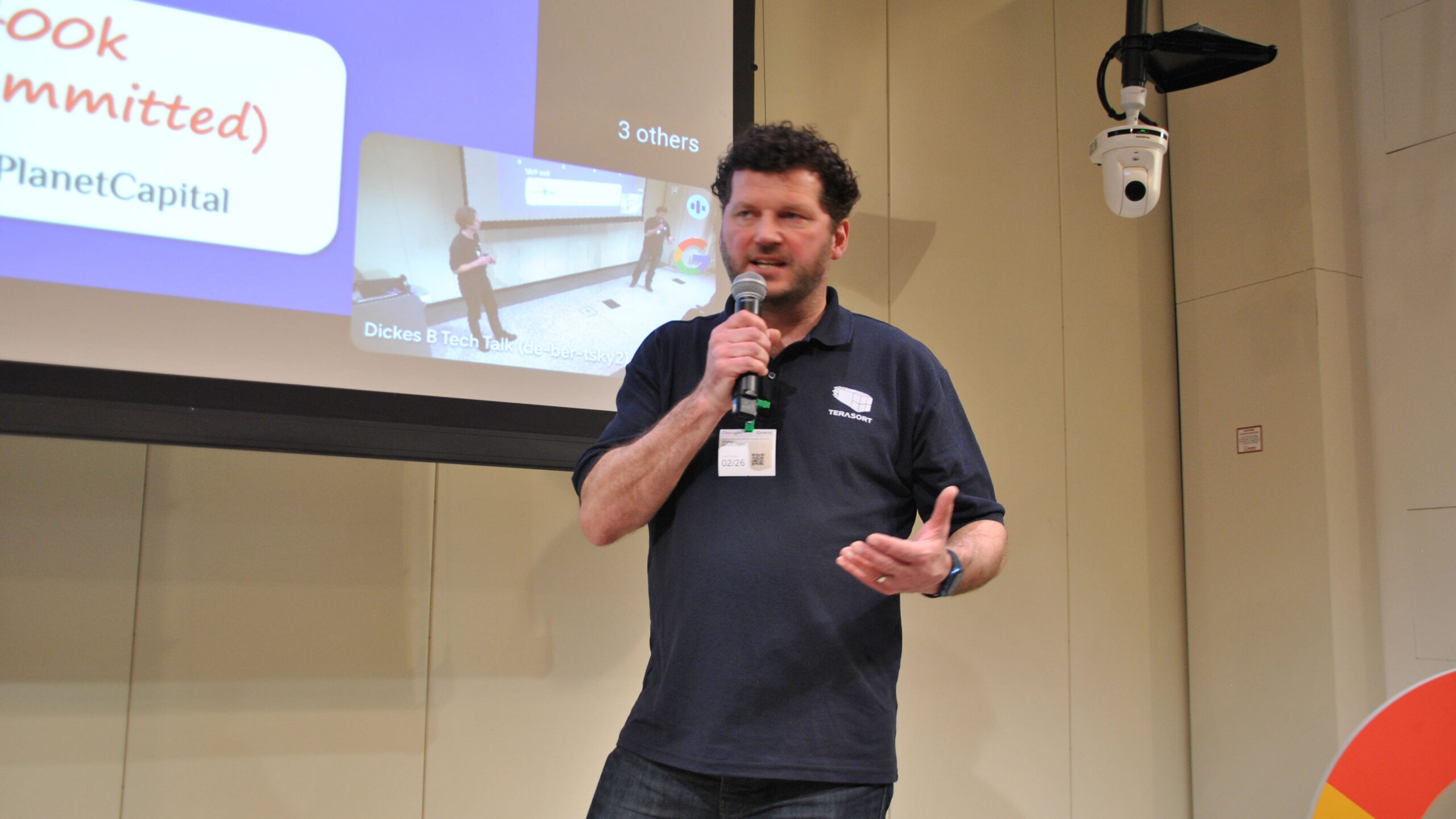
UK recycling rates have barely moved in over a decade. The core problem is that recycling is expensive, technically complex, and heavily reliant on manual labour. TeraSort is rethinking it from the ground up — using recent cost reductions in robotics and advances in AI to build low-cost, fully robotic, modular recycling units. Their insight is that recycling doesn’t have to be a heavy industrial problem; it can be a software optimisation problem. Their multi-robot prototype is already operational, they’ve signed three MVP unit LOIs, and they’re part of both the Carbon13 incubator and the Grishin Robotics accelerator.
White Lotus Energies — Chantelle, Harsh & Isuru
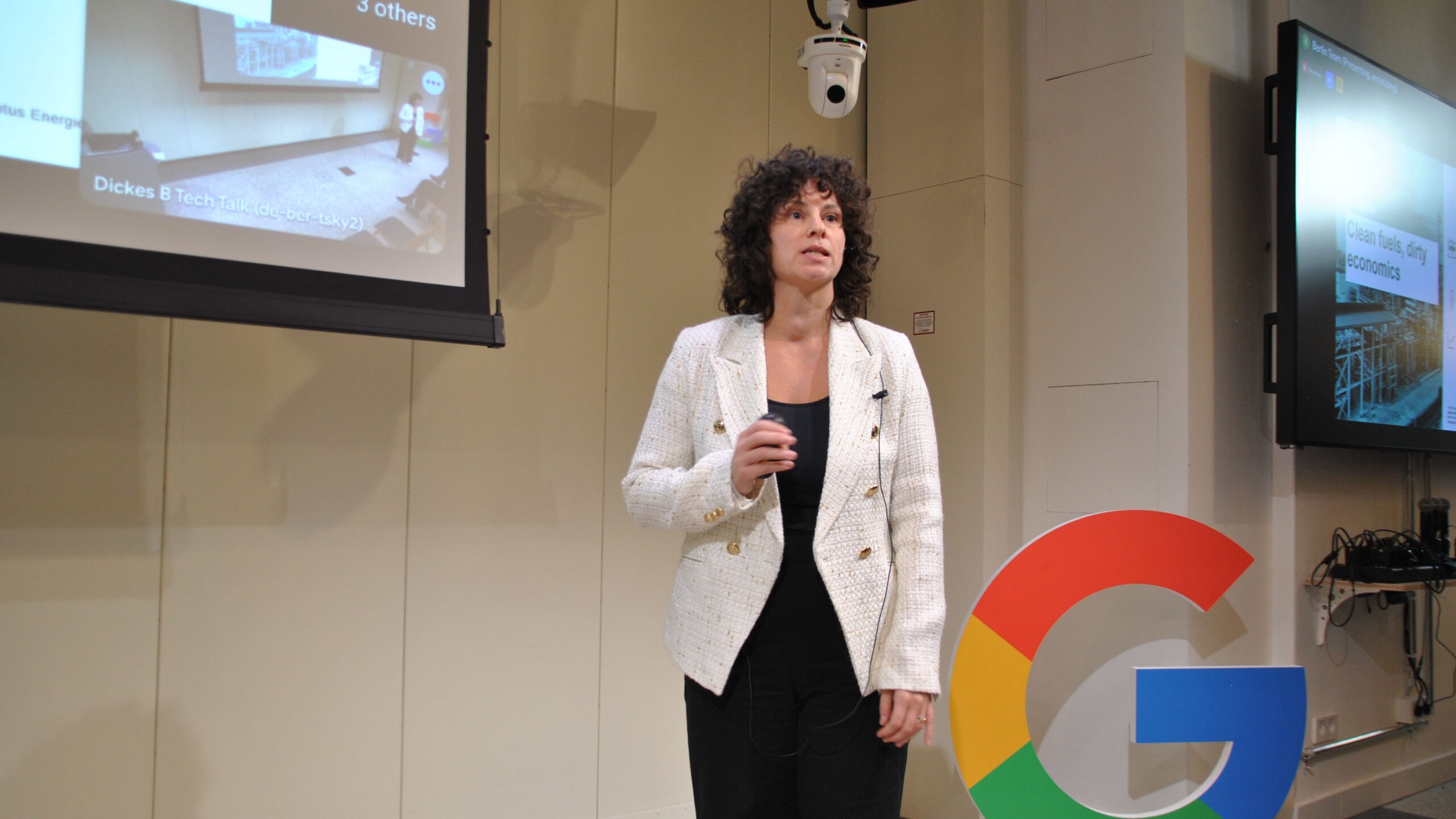
Green methanol and other clean fuels cost up to 390% more than their fossil equivalents. For shipping, aviation, and heavy industry, that cost gap makes decarbonisation economically untenable — not for lack of will, but for lack of an affordable pathway. White Lotus Energies is building a photosynthesis-inspired production platform that converts CO₂ into clean fuels and chemicals without energy-intensive electrolysis, dramatically lowering the cost of green methanol. Beyond the climate impact, switching to methanol also sharply cuts SOx, NOx, and particulate emissions. They’ve already won a grant from the Department for Transport and Connected Places Catapult — and are now in the lab.
COOLoop — Raj & Ike
Acetic acid and other foundational chemicals are almost entirely produced from fossil feedstocks — creating significant Scope 3 emissions and growing regulatory exposure for producers. COOLoop has developed a MOF-derived catalyst platform that converts captured CO₂ and green hydrogen into cost-competitive acetic acid and future C2 chemicals. Rather than asking producers to rebuild their operations, COOLoop licenses its catalyst technology — a capital-light model built for global scale. A partnership with Godavari Biorefineries gives them access to real biogenic CO₂ streams and hydrogen infrastructure, creating a clear path from lab validation to a first reference plant.
Grouse Fibre — Tom
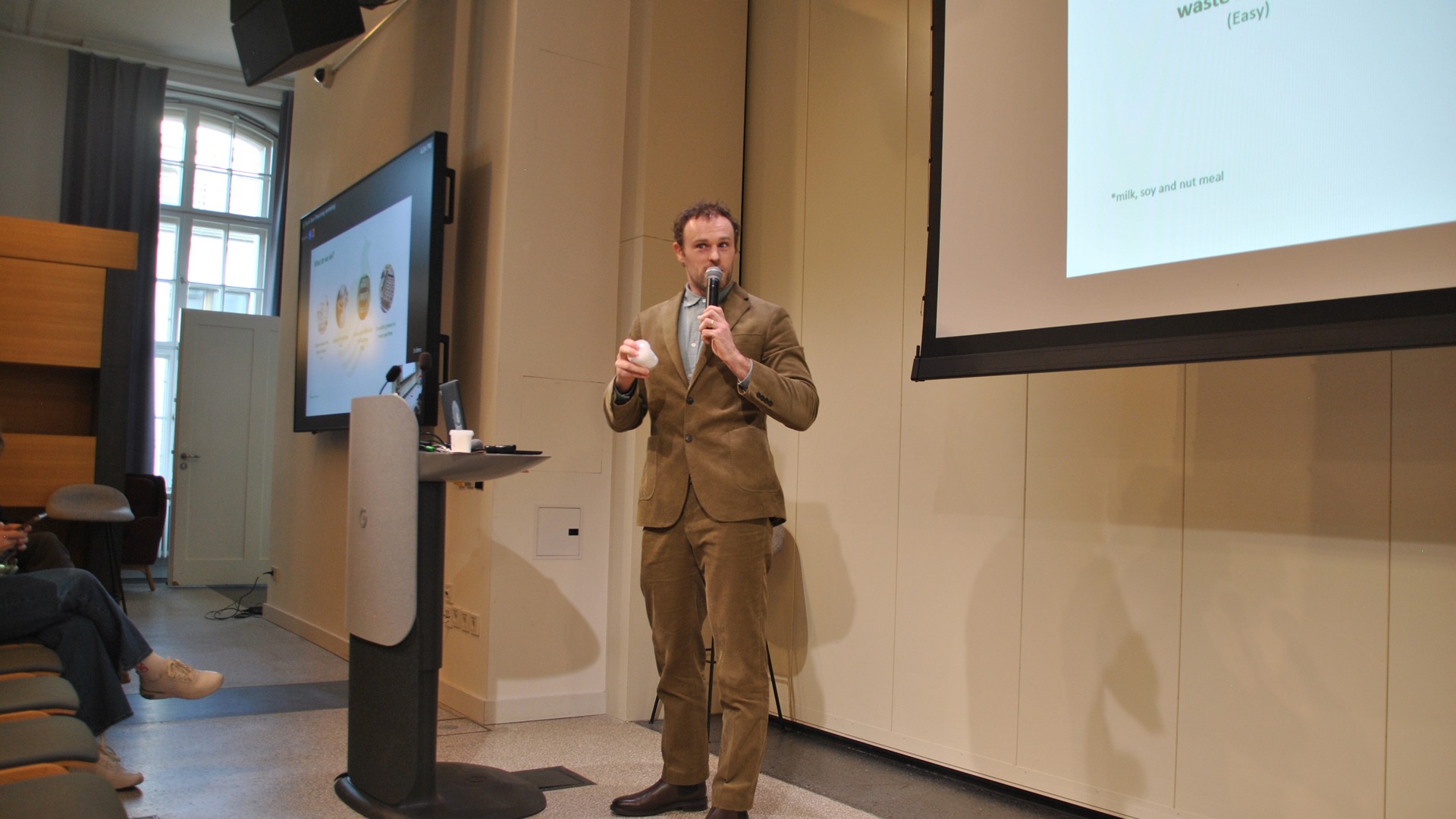
Peatlands store twice as much carbon as all global forests combined — and a ban on peat use in horticulture is coming in 2030. The problem is that existing peat-free alternatives don’t meet the technical needs of growers. Grouse Fibre has developed a unique process to convert waste proteins into high-performance fibres that work as an additive in peat-free growing media, helping growers of soft fruits, forestry, mushrooms, and ornamentals make the switch. At scale, the potential is to displace 23 million m³ of peat from European growing, saving 6.2 Mt CO₂e net per year — and the same platform extends into a trillion-dollar technical fibres market. They’re already producing fibres at kilogram scale and moving into pilot validation.
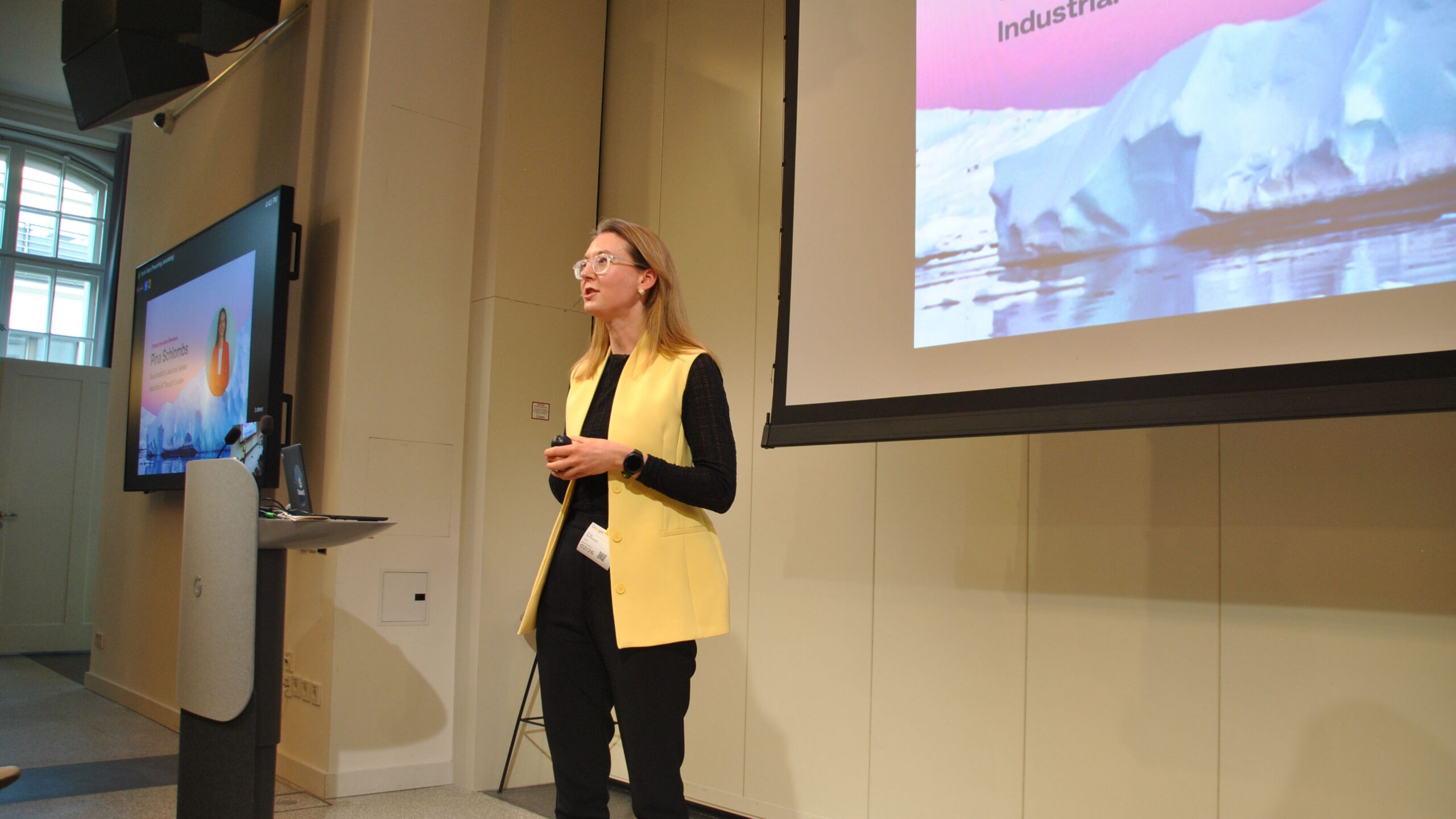
Keynote: Pina Schlombs, Sustainability Lead & Industrial AI Thought Leader, Siemens Digital Industries Software
Pina opened with a simple but urgent question: can we beat time? With 2030 fast approaching, the window to bend the CO₂ curve while maintaining profitability is narrowing — and incremental change won’t be enough. Her talk made the case for Industrial AI as the tool that can supercharge the race to net zero. Through vivid real-world examples — from generative design that rethinks how physical components are engineered, to AI-powered smart cities that optimise energy and resources at urban scale — she showed what’s already possible when AI speaks the language of engineering and manufacturing rather than just text and images. That requires a different kind of AI: one trained on physics, chemistry, biology, simulation, and mechanical design — an Industrial Foundation Model built for the complexity of the real world. And she left the room with an open door: through Siemens for Startups, the company actively supports founders to grow, collaborate, and connect — equipping them with ready-made software and the chance to innovate together. The encouraging takeaway for everyone in the room: sustainability and profitable growth are not in tension. With the right tools and the right partners, they accelerate each other.
Two final points: We are very grateful to Google Berlin for hosting us. This is the third time we have held our German Climate Innovation Showcase Day at Google in Berlin Mitte, and we really appreciate it. Thank you to everyone involved in making this possible.
Secondly, we were delighted that the event and the teams generated so much interest. The room was full and your questions enriched the event. A big thank you to all the investors involved and the entire climate tech scene.